Many people know that zakat is obligatory, but feel uncertain when it comes to giving it correctly. The question is not only how much to give, but where it should go and whether it will truly reach those who are eligible.
In Islam, giving zakat is not complete until it reaches the right hands. Choosing where to donate zakat is therefore part of the responsibility itself.
What Matters When Donating Zakat
Zakat must be given to people who are eligible according to Islamic guidelines. This includes individuals and families who lack basic stability, are burdened by debt, or have lost their means of support.
In Pakistan, eligibility often appears quietly. A child drops out of school to work. A widow relies on neighbors to survive. A patient delays treatment because hospital fees feel unreachable. These realities are not always visible, but they are real.
Donating zakat responsibly means ensuring it reaches people whose hardship is ongoing, not temporary.
Why Trust and Verification Matter
Zakat is an amanah. Once it leaves your hands, its responsibility does not disappear. Islam places great emphasis on trust, clarity, and accountability in fulfilling obligations.
This is why verification matters. It protects the dignity of recipients and the intention of the giver. When zakat is distributed without understanding local realities, it risks becoming symbolic rather than effective.
Organizations that work closely with communities are able to verify need, avoid duplication, and support families with continuity rather than one time relief.
Donating Zakat for Orphans and Vulnerable Children
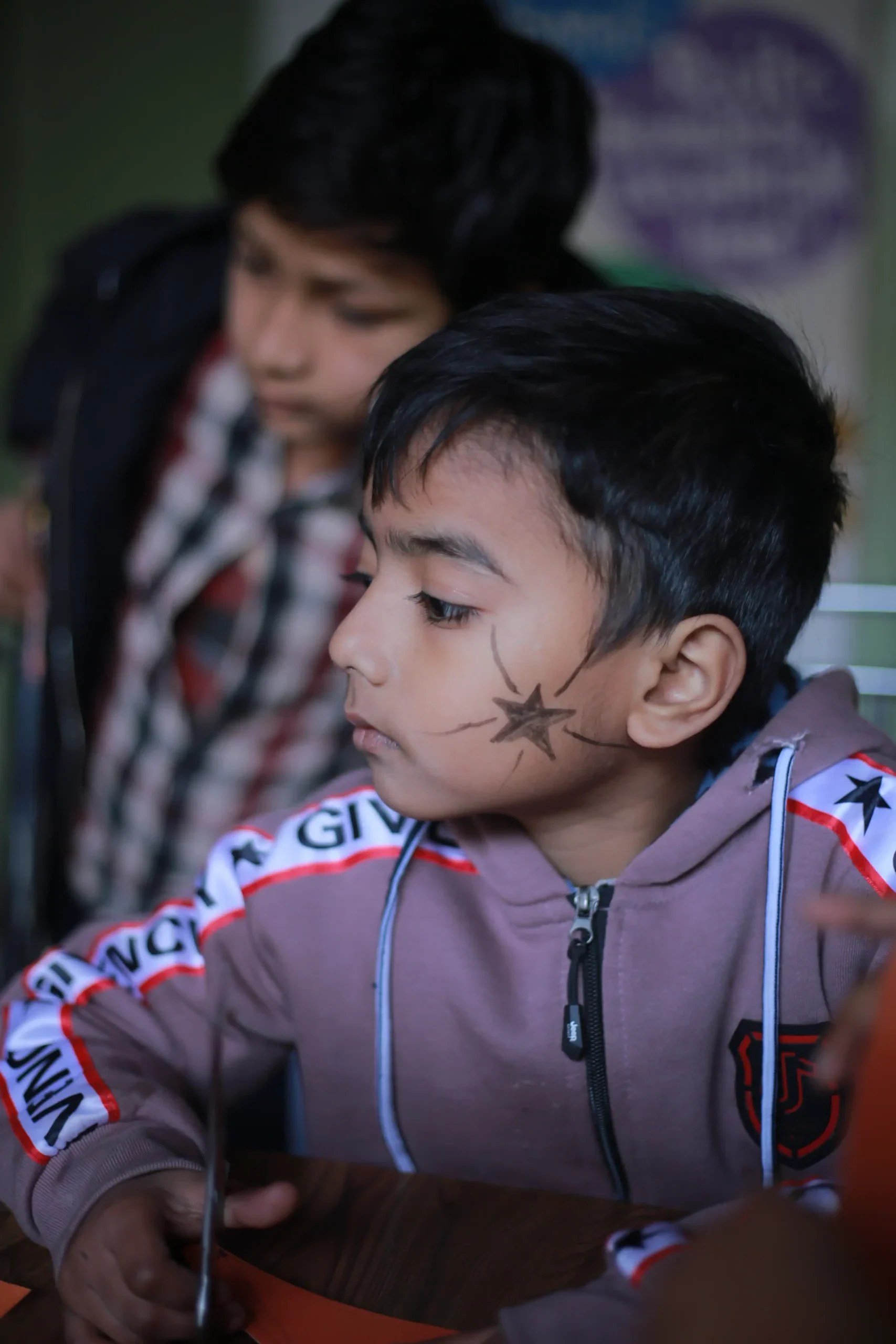
Orphans are among those most clearly mentioned in Islamic guidance, but supporting them requires more than emotional concern. Children need food, education, healthcare, safety, and consistent care.
Zakat can be used to support orphans when it directly addresses their essential needs. This includes education costs, medical care, food security, and safe living environments.
In Pakistan, where extended family support is often fragile, structured care becomes essential. Zakat plays a role in sustaining that structure when handled responsibly.
Local Giving Has Deeper Impact
Donating zakat locally allows for stronger oversight and deeper understanding of need. It enables support that reflects cultural, economic, and social realities.
Local giving also strengthens accountability. When donors understand how zakat is distributed and how beneficiaries are selected, trust grows naturally.
This does not mean zakat should never cross borders. It means proximity allows responsibility to remain visible.
How Waduha Approaches Zakat
At Waduha, zakat is handled with caution and intention. It is not mixed casually with general donations, and it is not used for purposes that fall outside Islamic eligibility.
Zakat supports orphans, vulnerable families, healthcare assistance, and essential needs where eligibility is carefully assessed. The focus is not numbers or campaigns, but continuity and care.
Zakat is treated as a trust that must be protected at every stage.
Zakat Is Not a One Time Decision
Many people ask where to donate zakat as a one time question. In reality, zakat is a recurring obligation. Choosing a trustworthy channel allows that responsibility to be fulfilled with peace of mind year after year.
What matters most is not visibility, recognition, or urgency. What matters is correctness, dignity, and intention.
A Quiet Fulfillment of Duty
Zakat does not need announcement. It needs care. When zakat reaches those who are eligible, when it protects dignity, and when it is given with clarity, it fulfills its purpose. That is how obligation becomes worship.