Zakat is an obligation in Islam, not a suggestion and not a seasonal act of generosity. It is a responsibility placed on those who have enough, so that those who struggle are not left unseen.
In simple terms, zakat is a fixed portion of wealth that Muslims are required to give once their savings reach a defined threshold. It exists to purify wealth, restore balance in society, and remind us that provision is a trust, not ownership.
For many people, zakat is discussed in numbers and calculations. But at its core, zakat is about accountability before Allah and responsibility toward people.
Why Zakat Exists
Zakat was not prescribed to create guilt. It was prescribed to prevent neglect.
Islam recognizes that poverty is not only a lack of money. It is often a lack of access, dignity, and protection. Zakat creates a system where those who have stability are directly responsible for those who do not.
This obligation shifts charity from emotion to structure. It ensures that care for the vulnerable is not dependent on moods, trends, or visibility. In a society where inequality can easily become invisible, zakat keeps hardship within our field of responsibility.
Who Is Required to Give Zakat
Zakat is due on Muslims whose wealth reaches the minimum threshold known as nisab and remains above it for a full lunar year.
This includes savings, gold, trade goods, and assets meant for growth, not basic living needs. Zakat is not taken from what a family depends on for daily survival. It is taken from surplus that has settled.
The obligation is precise, but the intention behind it is mercy. Islam does not burden those who are already struggling. It places responsibility where capacity exists.
Who Can Receive Zakat
Zakat is meant for those who are eligible according to Islamic guidelines. These include people facing poverty, debt, displacement, or loss of basic security.
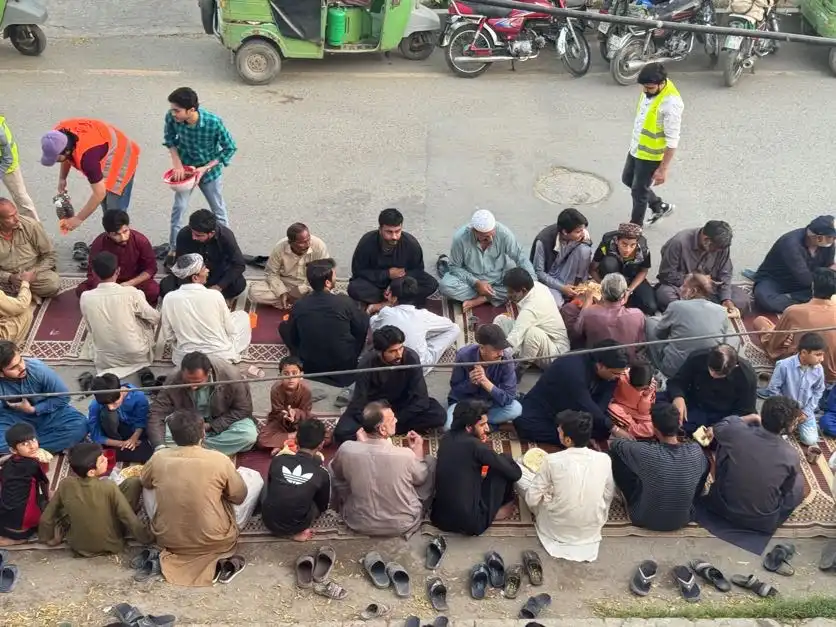
In Pakistan, this often looks like families surviving on irregular wages, widows without support, children who leave school to work, or patients who cannot afford treatment despite public hospitals existing.
Zakat is not charity handed downward. It is a right that belongs to those whose circumstances deny them stability.
Zakat and Orphans in Pakistan
Orphans in Pakistan face challenges that go beyond food and shelter. Many lose access to education, healthcare, and long-term protection once immediate help fades.
Zakat can be used to support orphans through food, healthcare, education, and safe living environments. When managed responsibly, zakat helps create continuity rather than temporary relief.
At Waduha, zakat is treated as an amanah. It supports children not as a project, but as lives that require consistency, safety, and trust.
When Zakat Becomes Necessary
Zakat becomes obligatory once wealth remains above nisab for a full lunar year. It does not wait for convenience, and it does not depend on emotional readiness.
Many people delay zakat because they feel uncertain or overwhelmed. Islam addresses this by keeping zakat clear, structured, and purposeful.
Once it becomes due, delaying it without reason means delaying the rights of others.
Zakat and Sadaqah Are Not the Same
Zakat is compulsory. Sadaqah is voluntary.
Sadaqah flows from choice. Zakat flows from duty. Both are acts of worship, but they serve different roles.
Zakat maintains justice. Sadaqah expands compassion.
Giving Zakat With Responsibility
Giving zakat is not only about transferring funds. It is about ensuring that zakat reaches those who are eligible, protected, and supported with dignity.
Responsible zakat distribution requires verification, local understanding, and continuity. It requires knowing where the need is and how long it lasts.
This is why structured organizations matter. Not because individuals lack sincerity, but because systems protect amanah.
Zakat as a Trust, Not a Transaction
Zakat is not a payment that ends responsibility. It is a reminder that wealth is temporary and accountability is permanent.
In Islam, caring for others is not outsourced to institutions alone. It remains a personal responsibility, even when handled through trusted channels.
Zakat purifies wealth, but it also reshapes perspective. It trains the heart to recognize that security is shared.
A Quiet Responsibility
Zakat does not need announcement. It does not need public recognition. It does not need urgency-based appeals.
Its power lies in quiet consistency. In knowing that somewhere, someone’s burden is lighter because you fulfilled what was required of you.
That is how societies remain humane. That is how trust survives.