Water
Access to clean water remains a daily struggle for millions in Pakistan.
Climate change, floods, groundwater depletion, and poor infrastructure have pushed millions of families in Pakistan into water insecurity. Contaminated water sources contribute to preventable diseases, child malnutrition, and loss of dignity especially for women and children who bear the burden of water collection.
Pakistan is among the countries most affected by climate-induced water stress, making sustainable and emergency water interventions a growing necessity. Waduha Welfare Organization work with vulnerable communities to help create safe and reliable water sources.
Our focus is on creating long-term and sustainable water sources. Our lifesaving interventions include installing irrigation systems, building water tanks, training communities, distributing hygiene kits and repairing viable water systems
RO Water Filtration Plants
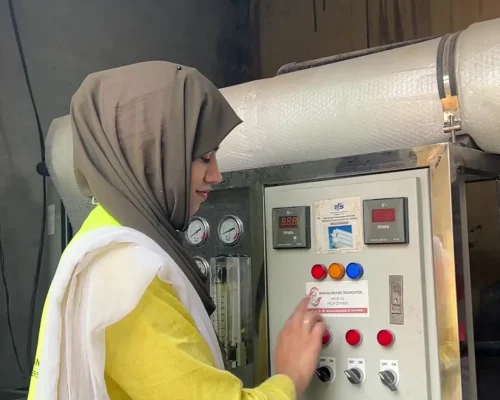
Waduha installs clean water access points in low-income urban settlements and underserved communities where families rely on unsafe or contaminated water sources. These points provide daily access to safe drinking water, reducing health risks.
To date, clean water access points have been installed across areas of Lahore, Saggian, outskirts of Kasur, and flood-affected localities, serving shared community spaces and residential clusters.
Each access point benefits 600–800 people daily, collectively providing clean water to thousands of individuals, especially women, children, and the elderly.

Community Hand Pumps
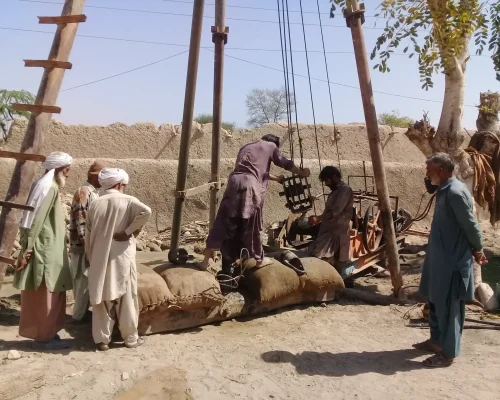
Community hand pumps are installed in areas without reliable electricity or municipal water supply, offering a simple and sustainable solution for clean water access.
Waduha has installed hand pumps in rural villages, temporary settlements, and disaster-affected areas, particularly where groundwater is accessible but infrastructure is absent.
Each hand pump supports 200–250 people, ensuring long-term water availability while reducing dependence on unsafe surface water sources.
Submersible & Solar Pumps
In densely populated communities and welfare facilities, Waduha installs submersible and solar-supported water systems to meet higher water demand efficiently.
Each system supplies clean water to 500–1,000 people, significantly improving daily access and reducing reliance on costly water tankers.
These initiatives have reached thousands of individuals, improving health outcomes and strengthening community resilience.
Emergency Water Distribution
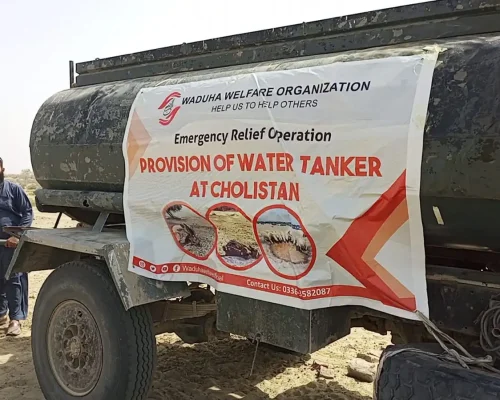
During floods and natural disasters, Waduha provides immediate water relief through tanker supply and emergency distribution.
These interventions have been carried out in flood-affected regions of Punjab, where clean water access is often disrupted.
Emergency water support reaches thousands of people during crises, helping prevent water-borne diseases and protecting vulnerable families.
Sanitation & Hygiene Support
Alongside water access, Waduha promotes basic sanitation and hygiene awareness to reduce contamination and disease.
Hygiene support activities have been conducted in schools, care homes, and community settlements, focusing on safe water use and cleanliness.
These initiatives have reached thousands of individuals, improving health outcomes and strengthening community resilience.