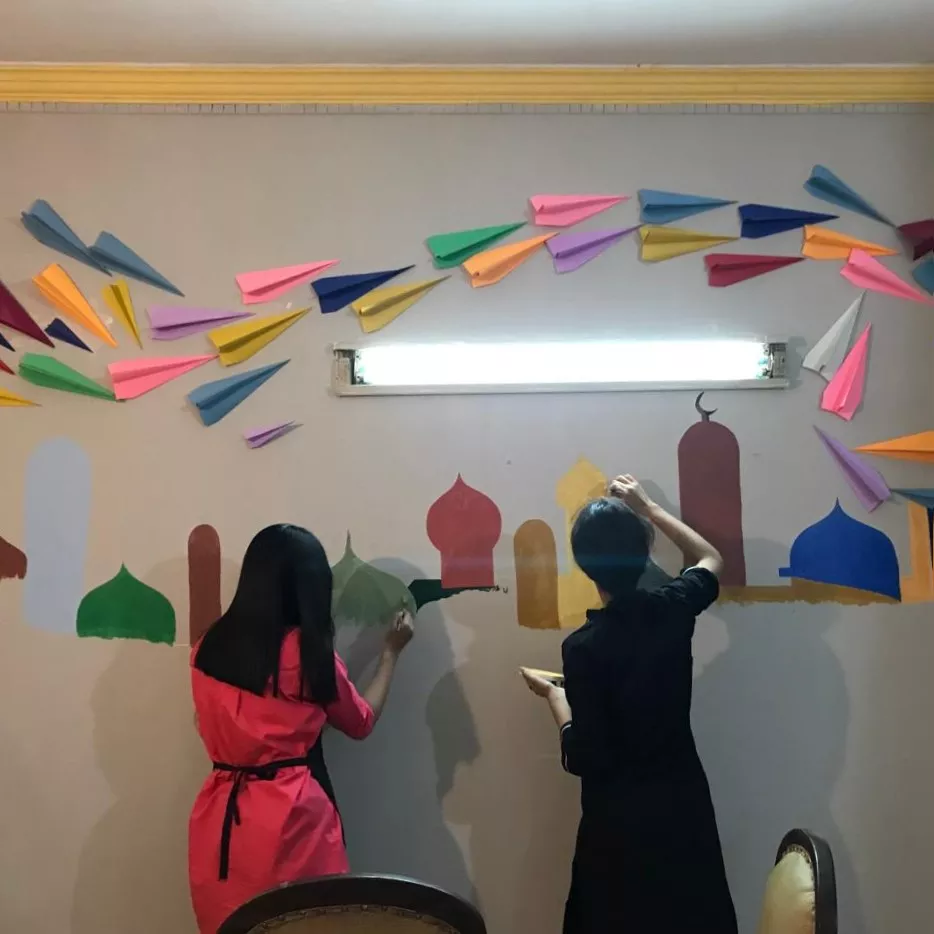

Orphans and children
How we’re helping orphans and children
Thanks to the support of donors and volunteers, Waduha is able to stand beside orphaned and vulnerable children across Pakistan children who are growing up without safety, stability, or consistent care.
From urban slums in Punjab to underserved communities where families struggle to meet daily needs, Waduha supports children with food, education, healthcare access, and emotional care. What began as one young woman helping children and families navigate hospitals and schools has grown into a youth-led effort that continues to reach thousands of children every year.
This work is made possible because people choose to care and because communities trust us to walk alongside their children.
Supporting orphans and children in Pakistan
Across Pakistan, millions of children grow up without consistent care, protection, or access to education. Some have lost one or both parents. Others live in households where poverty, illness, or instability make childhood unsafe.
Waduha works to address these realities by supporting children in ways that go beyond short-term relief. Through our orphan and child-focused programmes, we provide safe environments, education support, healthcare access, food assistance, and emotional care helping children grow with dignity, not dependency
We also work with families and communities, supporting livelihoods and awareness so that children are not forced into harmful situations such as child labour, early marriage, or neglect.
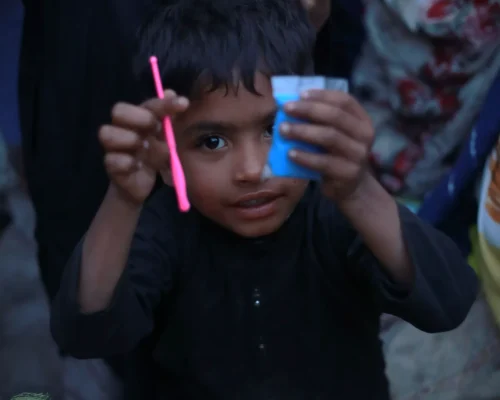
In urban slums, poverty forces many children out of school early. Waduha supports admissions, learning materials, and follow-ups so children can continue their education. In disaster-affected areas, children face illness, hunger, and trauma. Our teams provide emergency support, medical access, and protection-focused assistance during and after crises.
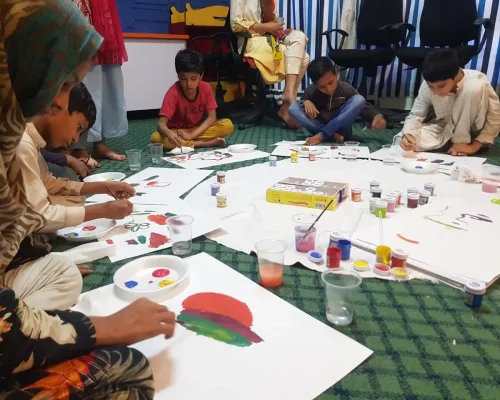
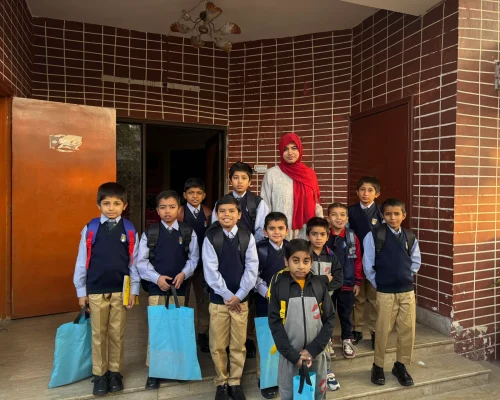
In low-income school communities, including areas like Dubai Town (Lahore), Waduha sponsors education for children whose parents work daily-wage jobs or where children live with single mothers. Alongside schooling and stationery, we introduce children to digital learning, creativity, and basic technology skills, helping them imagine a future beyond survival.
This work reflects a simple belief: a child’s background should never decide their future.
Give hope to a child like Ayaan
Ayaan was quiet when he first came to us. He had already learned not to ask for much. With regular meals, school support, and a safe routine, he began to change. He started attending class consistently. He made friends. He began to plan.
“I don’t want to miss school anymore. I want to become someone.” — Ayaan
Stories like Ayaan’s remind us that when a child feels safe, hope returns naturally.
What help do orphans and vulnerable children need most?
Children need more than sympathy. They need consistent care. Many orphaned and vulnerable children lack access to nutritious food, clean water, healthcare, education, and safe living environments. Without these, children face malnutrition, illness, emotional distress, and lost opportunities. Needs vary from child to child. Some require medical care. Others need education support. Many need stability, protection, and emotional reassurance after experiencing loss or trauma.
Through Waduha’s child programmes, we respond to these needs by providing holistic support, not one-time aid.
Importance of caring for orphans and children in Islam
Islam places immense importance on the care, dignity, and protection of orphans. Children are an Amanah a trust given to us by Allah and how we treat them reflects our faith.
The Prophet Muhammad ﷺ consistently emphasized kindness towards orphans and promised closeness in Jannah for those who care for them. He taught us that supporting an orphan is not an act of charity alone, but an act of responsibility, mercy, and justice.
Allah reminds us repeatedly in the Qur’an that neglecting orphans is a sign of moral failure, while caring for them is among the most beloved deeds.
What Does the Quran Say About Caring for Orphans?
The Quran emphasises the importance and reward of caring for orphans, as well as fulfilling their rights, and protecting their dignity. Allah repeatedly reminds us that honouring orphans is a measure of true faith, while neglecting them is a sign of injustice and moral failure.
“They ask you, [O Muhammad], what they should spend [in charity]. Say, “Whatever you spend of good is [to be] for parents and relatives and orphans and the needy and the traveller. And whatever you do of good – indeed, Allah is Knowing of it.”
Qur’an | 2:215
“No! But you do not honour the orphan…
Qur’an | 89:17 (in which Allah rebukes the Quraysh for dishonouring orphans).
“Have you seen the one who denies the Recompense [the religion]? For that is the one who drives away the orphan.”
Qur’an | 107:1-2
Particular attention is made to the importance of giving orphans their rightful property and possessions.
Indeed, those who devour the property of orphans unjustly are only consuming into their bellies fire. And they will be burned in a blaze (i.e. Hellfire)” [4:10].
“And give to the orphans their properties and do not substitute the defective [of your own] for the good [of theirs]. And do not consume their properties into your own. Indeed, that is ever a great sin” [4:2].
The verses above indicate the high importance Allah has placed on us in taking care of orphans and that spending on them is one of the greatest forms of good deeds.
Be a lifeline for orphans today. Donate Now.
Waduha Care Home
Care for orphans goes beyond shelter at Waduha Care Home. Today, over 30 children live in a space designed not just to house them, but to raise them with confidence, structure, and purpose. The children receive formal education alongside moral and spiritual grounding. Daily routines include Qur’an learning, prayer, and character development.
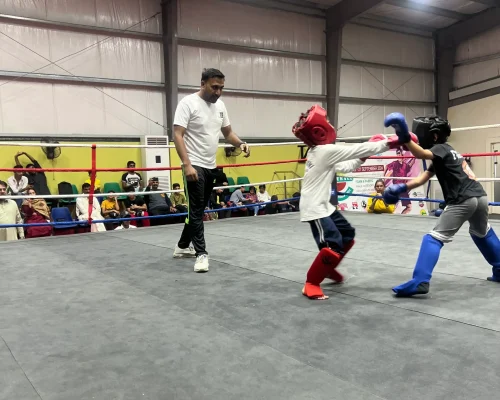
Beyond academics, children are encouraged to explore their strengths and interests. They are introduced to activities such as kickboxing for discipline and confidence, chess for critical thinking, creative learning, physical play, and life skills that prepare them for independence.
The care home also focuses on emotional safety giving children consistency, mentorship, and a sense of belonging. Here, children are not defined by loss, but supported in discovering who they can become.
Frequently Asked Questions
What is orphan sponsorship?
Is sponsoring a child the same as adopting a child?
How do you define an orphan?
What if a child is not an orphan but is more vulnerable than an orphan?
Which countries can I sponsor a child from?
How do you select the children who receive sponsorship?
Can we sponsor a group of children or a school?
Some organizations use a many-to-many model. Why doesn’t Waduha?
Does orphan sponsorship create dependency?
Financial & Payment Questions
Why do sponsorship costs change over time?
Why are some organizations cheaper than others?
Is the cost the same for every child?
What percentage of my donation reaches the child?
The operational expenses entail the extensive field office work Waduha Welfare conducts to ensure best practices are in place for your sponsored orphan. Orphans are monitored through both regular home visits conducted by our social workers, and group gatherings, to ensure that they are receiving the full benefits of sponsorship. We are able to use monitoring gatherings for awareness sessions on the sponsorship process, how to maintain good health, the importance of education, and various other topics.